
Sell Your Home in Wilkes County, NC
Understand your selling options, prepare the property, price it against real local evidence, compare offers by net proceeds, and connect with properly licensed help when you are ready.
- Traditional and as-is selling options
- Wilkes-specific property considerations
- Costs, documents and offer review
- No-pressure educational guidance
Pricing Accuracy Matters More Than an Optimistic Asking Price
Wilkes County values continued to rise through June 2026, but recent transaction data shows buyers remain price-conscious. Zillow reported that 71.8% of county sales in May closed below list price. Redfin separately reported a 95.3% sale-to-list ratio and price reductions on 26.1% of listings for the three months ending May 2026.
That does not mean every seller must discount. It means the strongest launch strategy is built around comparable sales, property condition, likely buyer financing, and the competition available when the home enters the market.
A renovated house near town, a mountain cabin, a family home on acreage, an inherited property, and undeveloped land require different pricing and marketing strategies. Treating them as interchangeable is one of the fastest ways to lose time or money.
Review the Full Market ReportThree Ways to Sell a Wilkes County Property
The best option depends on the property’s condition, your timeline, the amount of preparation you can manage, and the certainty you need.
How to Sell a House in Wilkes County, Step by Step
A strong sale begins before the photos, sign, or first showing.
Clarify Your Goal and Timeline
Decide whether your priority is maximum price, speed, minimal repairs, privacy, certainty, a delayed closing, or coordinating another purchase. Your goal determines which selling path makes sense.
Gather Property and Ownership Records
Collect the deed, mortgage payoff information, survey, tax records, permits, warranties, invoices, septic and well records, road agreements, leases, restrictions, utility details, and documentation for additions or outbuildings.
Determine a Defensible Price Range
Review recent comparable sales involving similar location, property type, size, age, condition, land, access, and features. Do not use a county average, tax value, or online estimate as the only pricing evidence.
Choose Repairs That Improve the Sale
Prioritize safety, active leaks, moisture, damaged surfaces, obvious deferred maintenance, odors, clutter, lighting, and curb appeal. Obtain estimates before committing to major renovations that may not return their full cost.
Present the Property Honestly and Completely
Use accurate photographs, measurements, property descriptions, utility information, access details, and disclosures. Rural buyers often need clear information about roads, internet, wells, septic systems, restrictions, terrain, and usable acreage.
Compare Offers by Risk and Net Proceeds
Review price, financing, appraisal exposure, due-diligence terms, deposits, requested concessions, personal-property terms, inspections, closing date, possession, and the buyer’s ability to perform.
Complete Due Diligence and Closing
Respond to inspections, appraisal issues, title questions, repair negotiations, lender requests, and attorney requirements. Confirm payoff figures, final costs, possession, keys, utilities, and the amount you expect to receive at closing.
What to Prepare Before the Property Goes on the Market
A few organized days before launch can prevent weeks of avoidable questions and delays.
Property Condition and Presentation
- Repair active roof, plumbing, drainage, or moisture problems
- Service major systems when appropriate and retain invoices
- Replace failed bulbs and improve interior lighting
- Deep-clean kitchens, bathrooms, flooring, and windows
- Remove odors, excess furniture, personal clutter, and trash
- Trim vegetation, clear entrances, and make the address visible
- Secure pets, firearms, medication, documents, and valuables
- Identify items that will or will not convey with the sale
Documents and Rural Property Details
- Deed, survey, tax parcel information, and ownership documents
- Mortgage, lien, judgment, or home-equity payoff information
- Permits and records for additions, decks, garages, and outbuildings
- Septic permit, pumping records, well information, and water tests
- Shared-road, driveway, easement, maintenance, or access agreements
- Restrictions, HOA documents, leases, timber rights, or mineral rights
- Internet provider, utility costs, propane tank ownership, and service details
- Repair receipts, warranties, insurance claims, and known material facts
Expenses to Include in Your Net-Proceeds Estimate
Costs differ by transaction. Request a written estimate based on your actual property, loan, contract, and selling method.
| Potential Cost | What It Can Include | Why It Matters |
|---|---|---|
| Loan and lien payoff | Mortgage balance, home-equity debt, judgments, or other recorded claims | These amounts are generally paid from sale proceeds before the seller receives the balance. |
| Broker compensation | Any compensation agreed to in the listing or transaction documents | Terms are negotiable and should be confirmed in writing with the licensed brokerage. |
| Repairs and preparation | Cleaning, landscaping, maintenance, contractor work, staging, storage, or debris removal | Compare likely sale benefit with the cost, time, and risk of completing the work. |
| Buyer concessions | Agreed contributions toward buyer expenses, repairs, rate-related costs, or other contract terms | A higher offer with large concessions can produce less net money than a lower, cleaner offer. |
| Closing and legal expenses | Attorney, title, recording, document, courier, payoff, or transaction charges allocated to the seller | The final allocation depends on the contract and closing statement. |
| Taxes and prorations | Property taxes, association charges, rents, utilities, or other prorated items | These adjustments can change the final amount due to or from the seller. |
| Moving and possession | Movers, storage, temporary housing, utility overlap, cleanup, or delayed possession arrangements | Timeline costs should be included when comparing a fast offer with a longer market sale. |
This is a planning checklist, not a quote or statement of North Carolina closing requirements. Have the relevant licensed professionals and closing attorney explain the expenses that apply to your transaction.
Different Wilkes County Properties Need Different Marketing
The strongest features, buyer questions, and potential obstacles change with the location and property type.
Wilkesboro and North Wilkesboro Homes
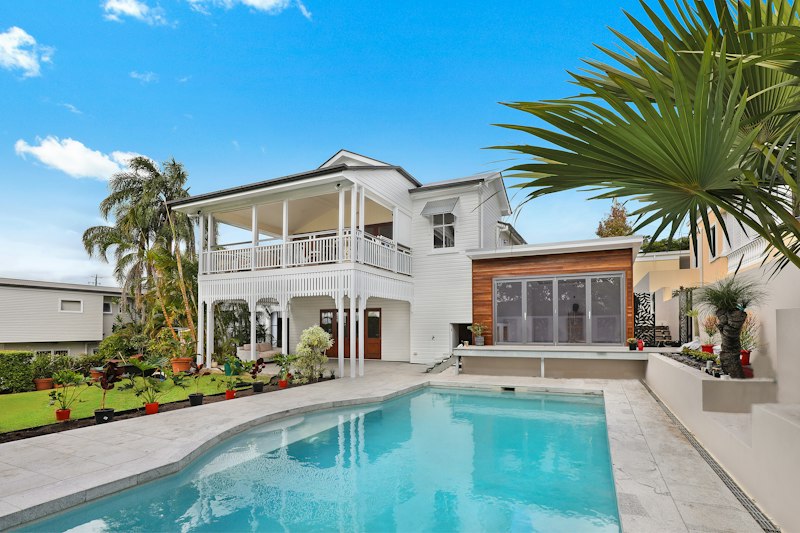
Buyers often compare neighborhood condition, commute, schools, healthcare access, shopping, renovation quality, parking, and practical move-in readiness.

Rural Homes, Farms and Acreage
Usable land, road access, well and septic details, fencing, barns, terrain, streams, timber, internet, restrictions, and distance to services can drive value.
Cabins and Mountain Properties
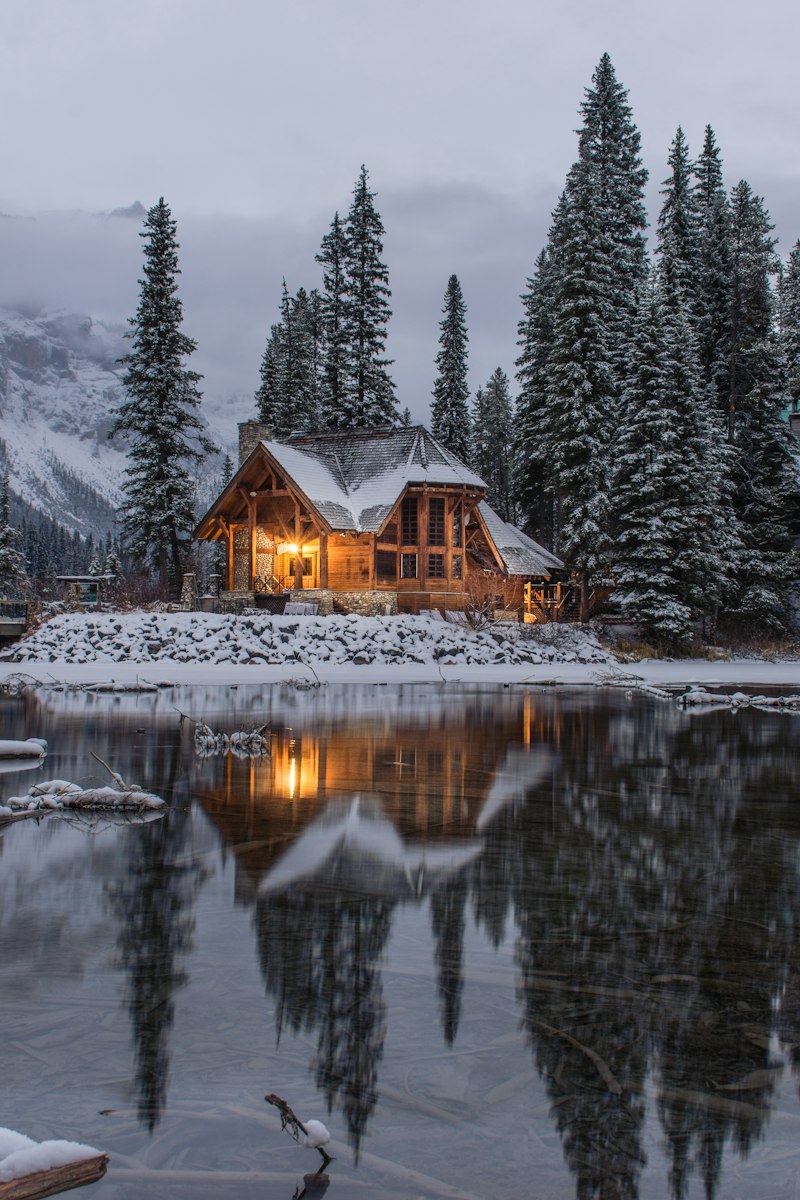
Views, seasonal access, driveway grade, road maintenance, winter conditions, short-term rental restrictions, insurance, water systems, and maintenance history matter.
The Highest Offer Is Not Always the Best Offer
Compare the amount you are likely to receive, the probability of closing, and the obligations created by each contract.
- Verify financing, proof of funds, deposits, and lender requirements
- Review inspection, appraisal, sale-of-home, and other contingencies
- Subtract requested concessions, repairs, fees, and holding costs
- Confirm closing date, possession, personal property, and occupancy terms
- Ask licensed and legal professionals to explain anything unclear
Six Common Wilkes County Home-Selling Mistakes
Most costly mistakes begin before the seller receives an offer.
Pricing From Active Listings
Active listings show what sellers hope to receive. Closed comparable sales show what buyers actually paid.
Ignoring Rural Details
Missing information about access, septic, wells, restrictions, utilities, and acreage creates buyer uncertainty.
Over-Improving Before Sale
Large renovations can consume time and cash without producing an equal increase in net proceeds.
Hiding Known Problems
Incomplete or inaccurate information can damage trust and create inspection, legal, financing, or closing problems.
Comparing Price Alone
Concessions, contingencies, repairs, appraisal risk, and timeline can make a lower offer financially stronger.
Using Unlicensed Advice
Property-specific pricing, brokerage, legal, appraisal, inspection, and tax questions should go to qualified professionals.
Selling a Home in Wilkes County FAQ
Answers to common questions from local homeowners, heirs, landlords, and rural-property sellers.
How do I determine what my Wilkes County home is worth?
How long does it take to sell a home in Wilkes County?
Should I repair my home before selling it?
Can I sell a property as-is?
What documents should I gather?
How should I sell an inherited Wilkes County property?
Should I accept a cash offer?
Can Wilkes County Realty list or price my home?
Choose the Resource That Matches Your Situation
Research licensed market representation or explore an as-is sale independently.
Research Licensed Wilkes County Agents
Compare local professionals, ask about experience with similar properties, review proposed marketing, and request estimated net proceeds.
View the Local Agent Guide → Related Website · As-Is Sale OptionExplore a Direct Cash Offer
For inherited, damaged, vacant, occupied, distressed, or difficult-to-sell properties where speed and reduced preparation matter.
Visit WeBuyBrokenHomes.com →Make the Selling Decision From Net Proceeds, Risk and Timing
The best path is the one that fits the property and your priorities—not the one with the loudest promise. Review the current market, compare options, and use properly licensed professionals for property-specific advice.